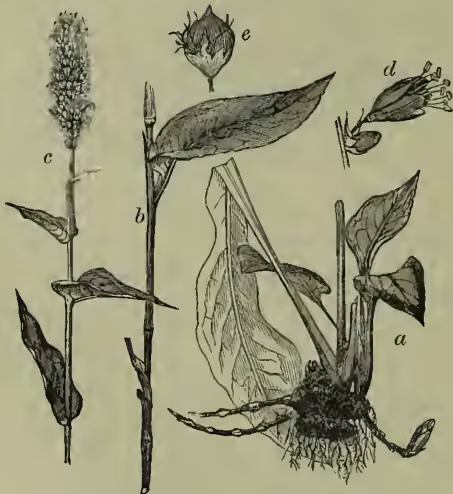
a, b, c, flowering stem and root stock; d, a flower; e, a fruit.
(From Bentley & Trimen.)
Bistort (Polygonum bistorta), a perennial plant, 1 to 1½ feet high, with a simple stem, ovate subcordate and wavy leaves, the radical leaves tapering into a long footstalk, and one dense terminal cylindrical spiked raceme of flesh-coloured flowers. The root is about the thickness of the little finger, blackish-brown externally, reddish within, and tortuous (whence the name bistort, and probably also the other popular name of Snake-root). The whole plant is astringent, containing much tannin; the root is one of the strongest vegetable astringents, and was formerly much employed in medicine, both internally and externally, in hemorrhages and many other complaints. Bistort is a native of meadows in Europe, and is found in Britain, but is by no means common. In times of famine the root has been used after washing as a source of starchy food. See POLYGONUM.