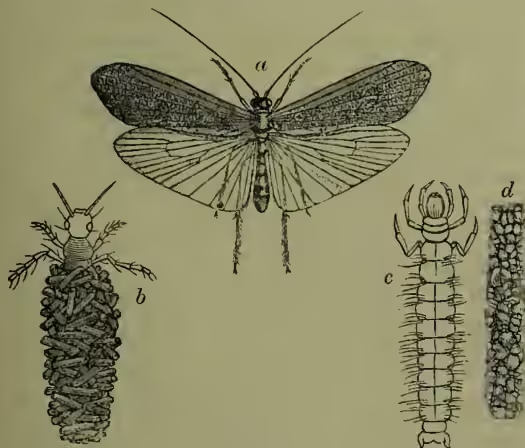
Cademosto, ALOYS DA, explorer, born in Venice about 1432, traded along the Mediter- moors its tube, and spins silken blinds across the ends. The pupa metamorphosis then begins. At an advanced stage, the pupæ burst their prison, and swim or creep about for a while, before undergoing the final change which lifts them from the ranean and Atlantic coasts, and in 1455, for the Infante Henry, undertook a voyage to the Canaries and as far as the mouth of the Gambia. In 1456 he made a second voyage to Senegambia, and on the death of Prince Henry returned to Venice, where he died about 1480. His account of his discoveries was published at Vicenza in 1507.