Cynomorium, a genus of the curious parasitic order Balanophoraceæ (see PARASITISM, VEGETATION).
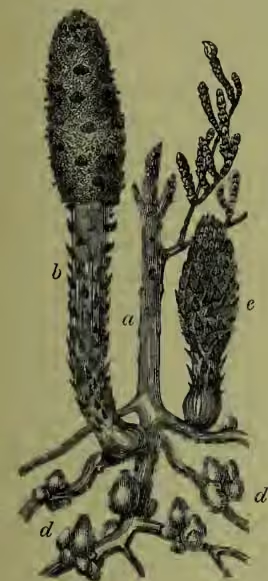
TABLE). C. coccineum, a plant of a strange fungus-like appearance, is found in the islands of Malta and Gozo. It was long known as Fungus Melitensis, and enjoyed the highest reputation as a styptic, besides being used as an astringent in dysentery and other maladies. These uses, however, depended on the doctrine of signatures alone, its scarlet colour and blood-like juice being interpreted as providential indications of its curative destination for all injuries or diseases accompanied by bleeding. So high a value was set upon this plant, that the knights of Malta took it under their particular care as one of their choicest possessions; it was carefully gathered and deposited in a government office, from which the grand-master sent it to friendly sovereigns, and to the hospitals of the island. Up to a recent date a keeper of the rock which most abundantly produces the plant was still appointed by the British government.