Dory (Zeus), a genus of bony fishes in the mackerel family (Scombridae). The body is high and laterally compressed; the scales are very small or absent; the dorsal fin bears nine or ten spines; and there are bony plates at the root of the dorsal and anal fins, and on the ventral surface. The best known of the six species is the John Dory (Z. faber), found in the Mediterranean and off the
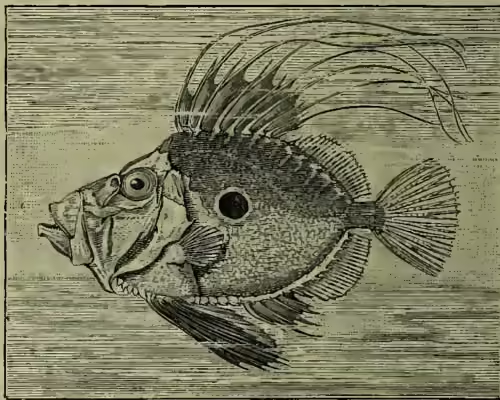
Atlantic coasts of Europe. The name is possibly a corruption of jaune dorée (yellow-gilt), which well describes the prevalent yellowish colour and metallic sheen. According, however, to Skeat, the 'John' is merely the ordinary English name (cf. 'jaek-snipe'). The colour is sometimes olive-brown, and there are two dark patches on the sides, which are (as in the haddock) fancifully interpreted as the marks of the apostle Peter's fingers. Others have referred the marks to St Christopher. The John Dory disputes with the Chimæra the title of 'king of the herrings.' It follows rather than leads shoals of herring and other fishes. The body is greatly compressed, and the numerous bony plates bear spines; the head is very large, and the gape wide; the teeth are feeble; the membrane between the long spines of the dorsal fin is prolonged into beautiful waving filaments. The dory is on the whole sluggish, but feeds voraciously on pilchards, breams, and other fishes, &c. It has been known to attain a length of 22 inches, and a weight of 18 lb. It has for long been greatly esteemed for the table. The other species are widely distributed; one is known in Australian seas. On the British coasts, other fishes, such as the Silver Haddock, are erroneously called by the name.