Elba (Gr. Æthalia, Lat. Ilva), an island belonging to Italy, in the Mediterranean Sea, between
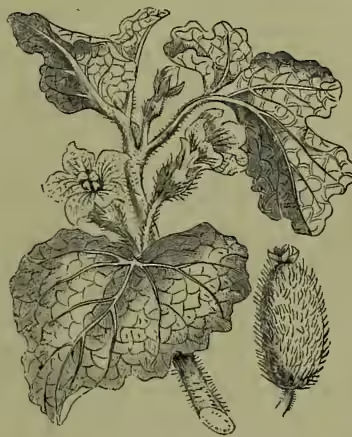
(Ecballium Elaterium).
Corsica and the coast of Tuscany, from the latter of which it is separated by the channel of Piombino, a strait 6 miles in breadth. Area, 85 sq. m.; pop. (1881) 23,997. The coast is bold and precipitous, the interior traversed nearly throughout by three mountain-ranges which reach a height of 3380 feet. The island is well watered, the climate mild and healthy; on the lower ridges of the mountains, and in the valleys, the vine, olive, and mulberry flourish, fenced in with hedges of cactus and agave. The chief industry is the mining of the rich iron ore, for which Elba has been famed from antiquity; serpentine, and chalk, granite, and marble also are quarried, while considerable salt is produced from the salt-pans along the coast. Much wine is made, and the tunny-fisheries are important. Porto Ferrajo, the capital, has a pop. of 5391. Elba has been rendered famous in history as the place of Napoleon's exile from May 1814 till February 1815.