Emperor Moth (Saturnia carpini), nearly related to the silkworm moths (Bombycina). With the exception of the Death's Head, it is the largest
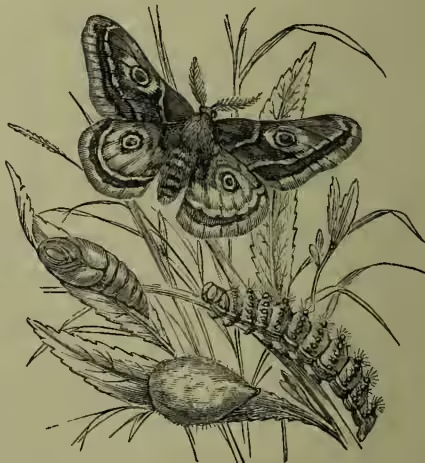
British moth. Its expanse of wings is about three inches; the female is mainly gray, the male from reddish-brown to orange-yellow; each wing bears a large black eye, with surrounding rings. The caterpillar is green, with short hair, black cross bands, and yellow or reddish tubercles. The cocoons are formed internally of stiff convergent elastic threads, which resist intrusion, but readily admit of egress. The Great Peacock Moth (Saturnia pyri) is a very large European form about twice the size of the Emperor. See SILK.