Foxglove, a species of Digitalis (q.v.). The Common Foxglove (D. purpurea) is a native of
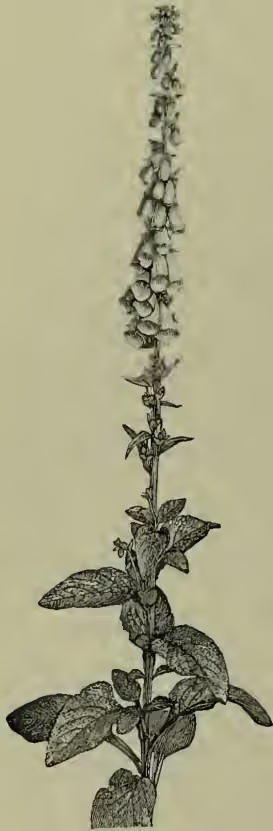
(Digitalis purpurea).
Britain, and a familiar and conspicuous ornament in woods and hedgerows, its flowering stem reaching a height of from 2 to 4 feet, or even more. It flowers from June to August. Both it and its white-flowered variety are frequently planted in gardens and shrubberies. Its English name, the German name Fingerhut ('thimble'), and the botanical name Digitalis (Lat. digitale, 'the finger of a glove') refer to the form of its flowers. The foxglove was a favourite with the fairies, and was called in Ireland Fairy-cap, and in Wales Elf-glove, elsewhere Fairy-fingers, Fairy-petticoats. But there seems no good ground for the attempt to make out that foxglove is a corruption of Folk's-glove, for Good-folk's Glove, or Fairy-glove. Another English provincial name is Fox-fingers.