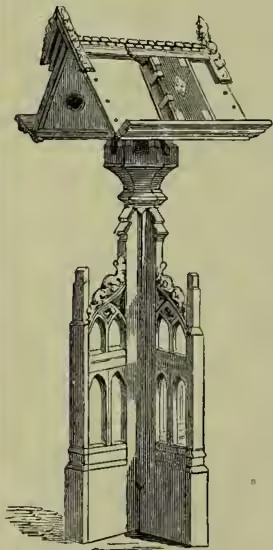
Lectern (Lat. lectorium or lectrieum), a reading-desk or stand, properly movable, from which the Scripture lessons (lectiones), which form portion of the various church-services, are chanted or read. The lectern is of very ancient use, of various forms, and of different materials. The most ancient lecterns are of wood, a beautiful example of which is that of Ramsay Church, Huntingdonshire (about 1450), represented in the woodcut; but they were frequently also made of brass, and often in the form of an eagle (the symbol of St John the Evangelist), the outspread wings of which form the frame supporting the volume. Sometimes a 'pelican in her piety' takes the place of an eagle.