Marjoram (Origanum), a genus of plants of the natural order Labiatæ. Several of the species are familiar as pot and sweet herbs in gardens. O. vulgare is the Common Marjoram, a native of
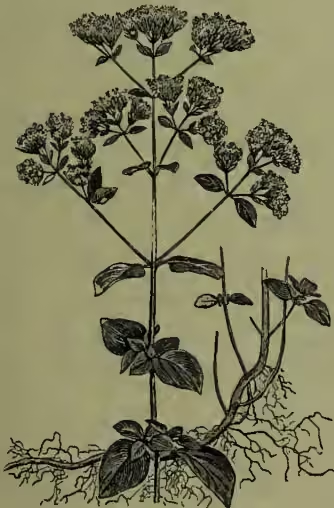
(Origanum vulgare).
Britain, and is aromatic with a bitter and slightly acrid taste. The dry leaves have been used instead of tea, and they are also used in fomentations. The tops of the plant have been used to dye woolen cloth purple; and, by a process of macerating the material first in alum water and then in a decoction of crab-tree bark, they also dye cotton cloth a reddish brown. Oil of Marjoram is obtained from this and other species by distillation. The oil of marjoram is so caustic as to be used by farriers as a stimulating liniment. A little cotton moistened with it placed in the hollow of an aching tooth relieves pain. O. heracleoticum is the Winter Sweet Marjoram of gardeners; O. onites is the Pot Marjoram; and the Knotted Marjoram is O. Marjorana. The dittany of Crete, a plant with round leaves clothed with thick white down and purple trailing stems, which is frequently cultivated as a window-plant in Britain, is O. Dictamnus.