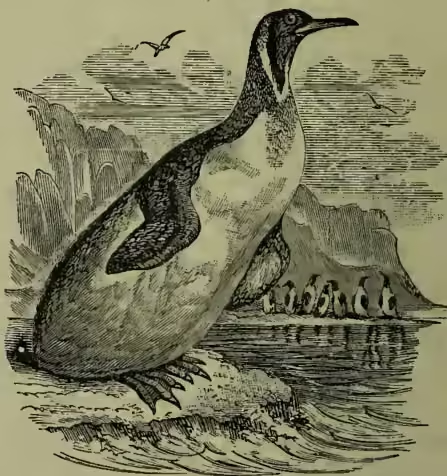
Penguin. This name is applied to a group of birds containing three genera, Spheniscus, Eudyptes, and Aptenodytes—the largest species, the 'Emperor' (A. forsteri, 50 inches in height) and 'King' (A. pennantii) penguins, belonging to the latter genus. The most remarkable peculiarity of these birds is the flattened wing, which is clad with flat scale-like feathers; the whole limb, unfit for flight, is admirably suited for swimming. The feathers of the penguin—instead of being disposed in feather-tracts, separated by intervals (apteria) upon which no feathers grow, as is the case with all other birds, not excepting even the ostrich and cassowary—form a continuous covering to the body. These peculiarities, coupled with some others in internal structure, mark off the penguins as a very distinct group of birds. By some they are placed in the same group with the auks, or put in a special group (Impennes) by themselves. The penguins are entirely confined to the Antarctic and to the south temperate regions (Patagonia, Cape Colony, Australia, New Zealand), and are aquatic in their habits, as is shown by the webbed feet as well as by the remarkable modification of the wings already referred to. In some situations they are extremely abundant, and make their nests in a common area; the nest is nothing more than a hole in the sand in which the female deposits a single egg. The stupidity of these birds is perhaps due to the inaccessibility of the rocks and shores where so great a number live and breed: having been comparatively little interfered with by man, they show no terror at the sight of him. When intruders invade their breeding-places they can and do, however, inflict severe wounds with their sharp bills. The plumage of the neck is valued by furriers for collars and tippets; and large numbers of 'Johnnies,' as the sailors call them, are slaughtered annually. The flesh though dark is wholesome food, and makes excellent 'hare-soup;' the belly is loaded with fat. That the penguins are not altogether a modern race of birds is shown by the remains of a species—Palæodyptes antarcticus—which existed in New Zealand in late Eocene or early Miocene times. This bird differed from existing penguins in having rather longer wings, and may therefore conceivably have possessed the power of flight; it was a large form like the King Penguin of to-day.