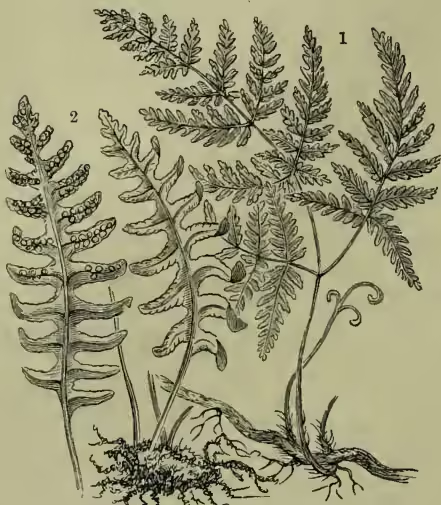
1, Polypodium dryopteris; 2, P. vulgare.
Polypodium (the Greek name, as old as Theophrastus, was polypodion, from polys, 'many,' and podion, 'a little foot'—indicating the foot-like appendage of the rhizome, not the leaf), a genus of Ferns, with spore-cases on the back of the frond, distinct, ring-shaped, in roundish sori, destitute of indusium. It is the largest genus of the Filices, comprising over 450 species; and amongst them are plants of different modes of growth, of different venation, and from almost all climates. Several species, differing very considerably in appearance, are natives of Britain, where no fern is more common than P. vulgare. It grows on rocks, trees, dry banks, &c., and has fronds 2 to 18 inches long, deeply pinnatifid, with large sori. P. dryopteris, with delicate ternate bipinnate fronds, is a fine orna- ment of many dry stony places in Scotland. P. calaguala, a native of Peru, is said to possess important medicinal properties—solvent, deobstruent, sudorific, &c.