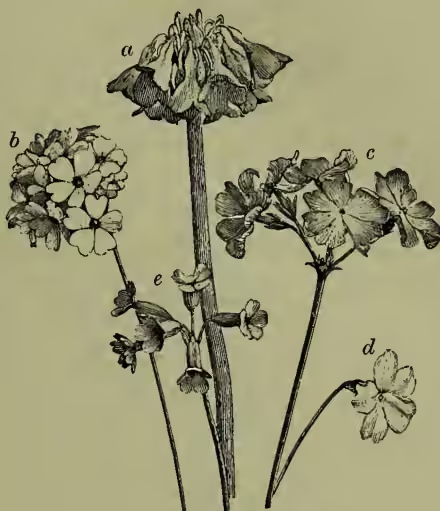
a, Primula sikkimensis; b, P. oboconica; c, P. sieboldii; d, common primrose (P. vulgaris); e, cowslip (P. veris).
Primulaceæ, a natural order of exogenous plants, containing more than 200 known species, mostly natives of temperate and cold regions. They are all herbaceous, or scarcely half-shrubby, with leaves generally all radical, and no stipules. The calyx is generally five-cleft, inferior or half-superior, regular, persistent; the corolla, with the limb divided into as many segments as the calyx, rarely wanting; the stamens inserted on the corolla, one opposite to each of its lobes; the ovary one-celled, the style solitary, the stigma capitate; the capsule with a central placenta and many seeds.—Many of the Primulaceæ have flowers of much beauty, and some are very fragrant, as the Primrose, Cowslip, Auricula, Pimpernel, &c.