Spiræa, a genus of plants of the natural order Rosaceæ, and of the sub-order Spirææ, in which the fruit consists of five or fewer capsular carpels. The genus Spiræa has one or more follicular, many-seeded carpels. It contains a large number of species, natives of Europe, Asia, and America, herbaceous plants and low deciduous shrubs; of the herbaceous species two are natives of Britain, Dropwort (S. filipendula) and Meadow Sweet or Queen of the Meadow (S. ulmaria), both with interruptedly pinnate leaves and flowers in cymes.
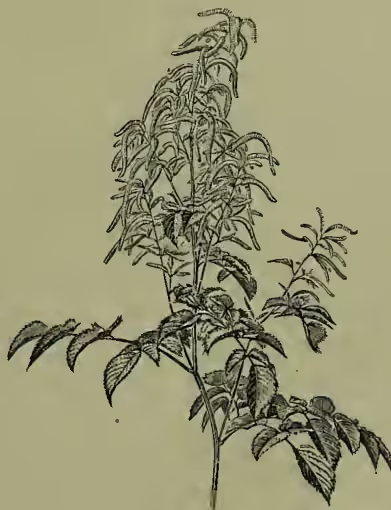
Dropwort is a native of dry upland pastures; it is tonic and fragrant; and its tubers, which are somewhat nutritious, are in Sweden ground and made into bread. Meadow Sweet is well known for the powerful fragrance of its flowers. A fragrant distilled water is prepared from them. A North American species (S. tomentosa), called Hardhack in the United States, is there used as a tonic and astringent. Many of the shrubby species are frequently planted for ornament.