Spur, an apparatus fastened to the heel of a horseman, for goading the horse. It is much less
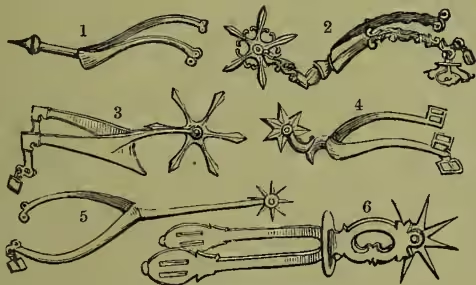
(From Antiquarian Museum, Edinburgh): 1, bronze prick spur found at Linlithgow Palace; 2, iron spur found near Baunockburn; 3, bronze spur found at Colchester; 4, brass spur found at Culloden; 5, spur found at Halidon Hill; 6, spur found in making a drain in High Street, Edinburgh. used than formerly, and the modern apparatus, having only minute serrations on its rim, does not possess the cruel effect of the formidable spiked spurs of old times here illustrated. All cavalry soldiers wear spurs, but their use, except in the heat of an actual charge, is discouraged as much as possible. In the age of chivalry spurs were an essential ensign of knighthood, the spurs of knights (equites aurati) being golden or gilt, while those of squires were of silver. In the degradation of a knight—a ceremony rarely performed, but revived in effigy in the case of Lord Dundonald (1814)—one part of the proceedings consisted in hacking the spurs from his heels. Till into the 19th century knights of the shire might enter the House of Commons wearing spurs.