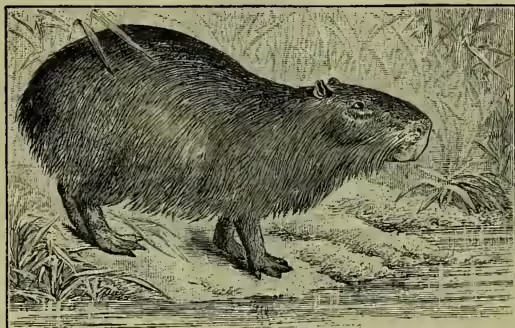
Capybara (Hydrochærus capybara), the largest living rodent, nearly allied to the guinea-pig. It is as large as a small pig, aquatic in its habits, vegetarian in its diet, and often does great damage in sugar-cane plantations. It runs clumsily, but swims well, and can remain several minutes under water. The general structure is that of the guinea-pig, and differs but little except in having a grooved upper incisor tooth, and the last molar larger than those in the front, and in the development of a web on the feet. It is a very plump animal, with coarse, thin, predominantly brownish hair; is inoffensive and easily tamed; and lives in pairs or families, in marshy places by rivers and lakes. Its habitat is the north of South America. It is sometimes called the water-hog, which is a literal translation of its technical title. In Demerara it is called water-horse, a corruption of water-haas, Dutch for 'water-hare.' The flesh, except of old males, is good for eating.